


THANKS FOR
ATTENDING
20 QUESTIONS
FOR 20 YEARS!
JOIN US IN SHAPING THE
NEXT 20 YEARS OF DS4SI
For over two decades, DS4SI has asked bold questions, created strange and necessary interventions, and held space for justice, joy, and possibility.
Thank you for attending our 20 year anniversary, and showing us what happens when communities dare to imagine public life differently.
Collaborate with us as we continue to reimagine everyday life!
20
Questions explored over four weeks of intervention, study, and celebration
30+
Artists and special guests who contributed to the installations, converstions, and events
500+
People who participated in conversations, explored ideas, and imaginative interventions

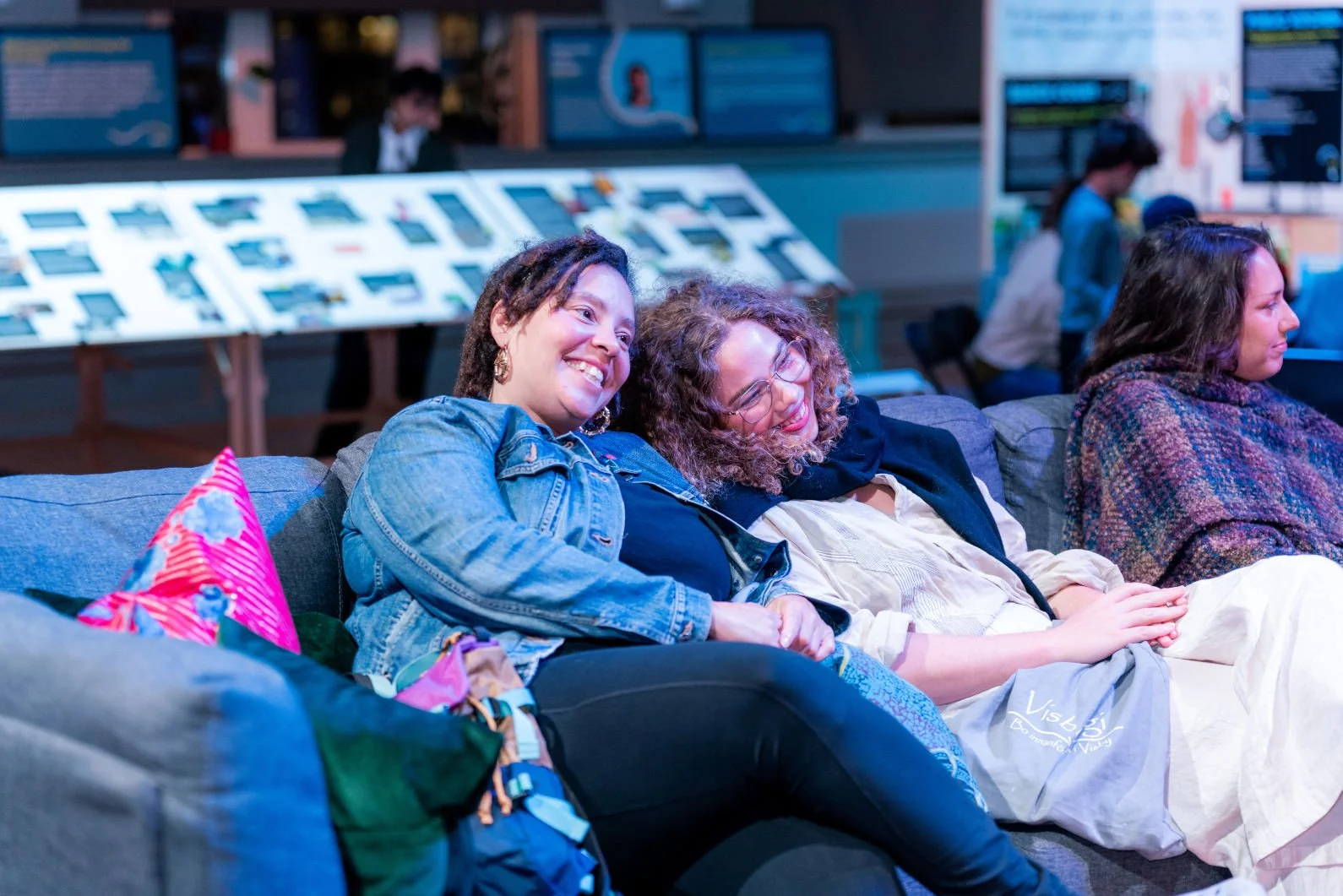


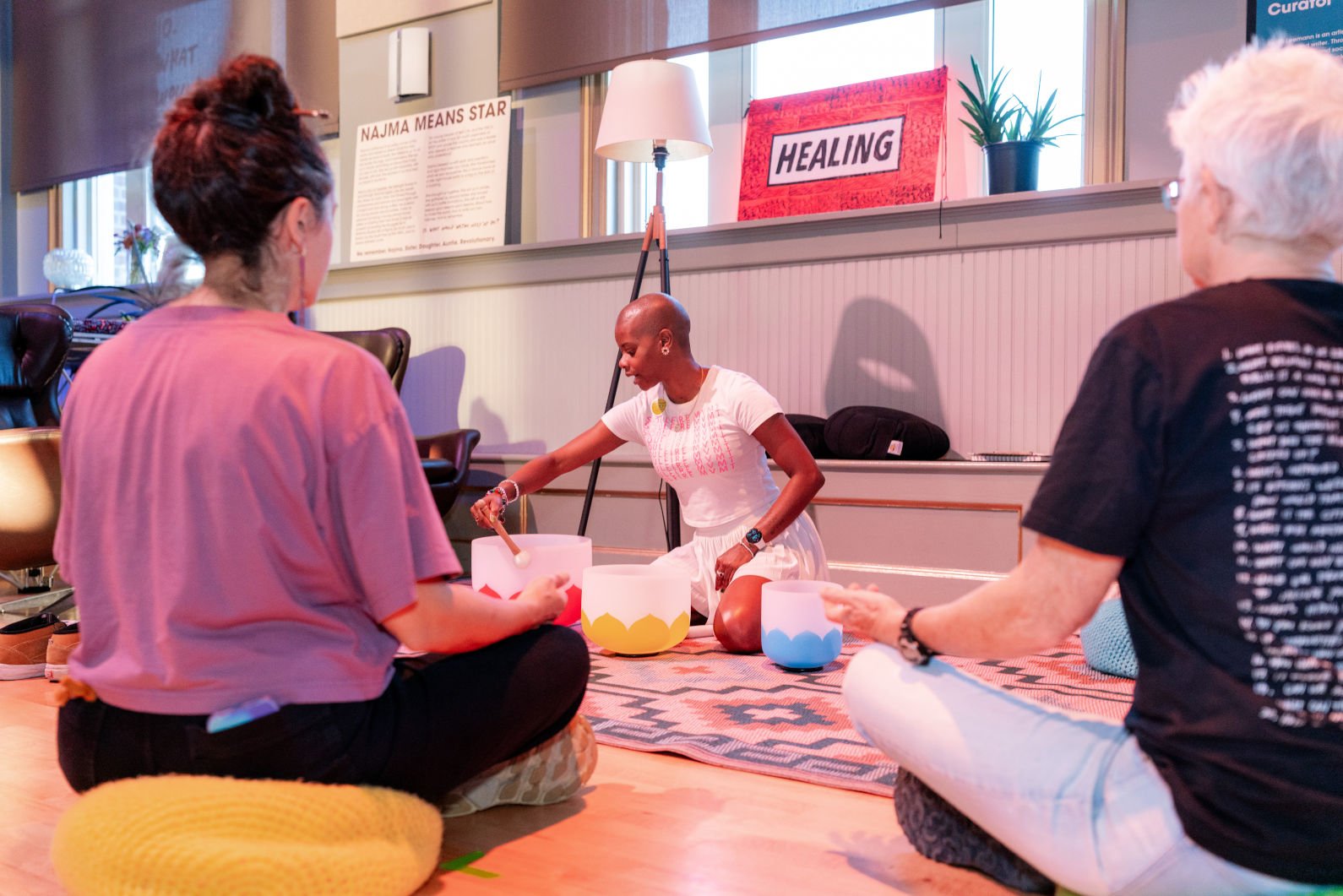


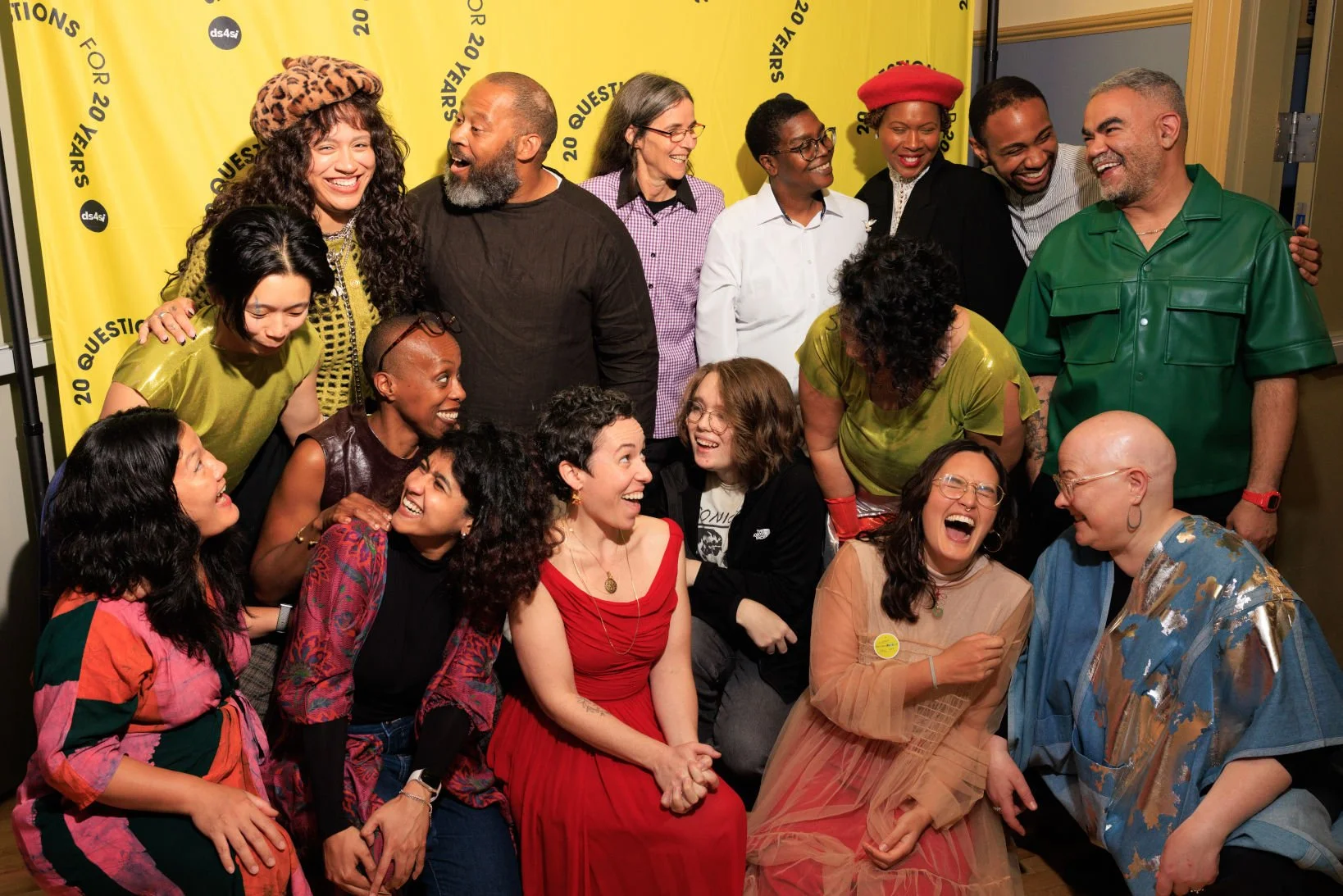
Photography by Marvin G (shotxmarv) and The Corner 345 (@thecorner345)
At DS4SI, we often begin with a question.
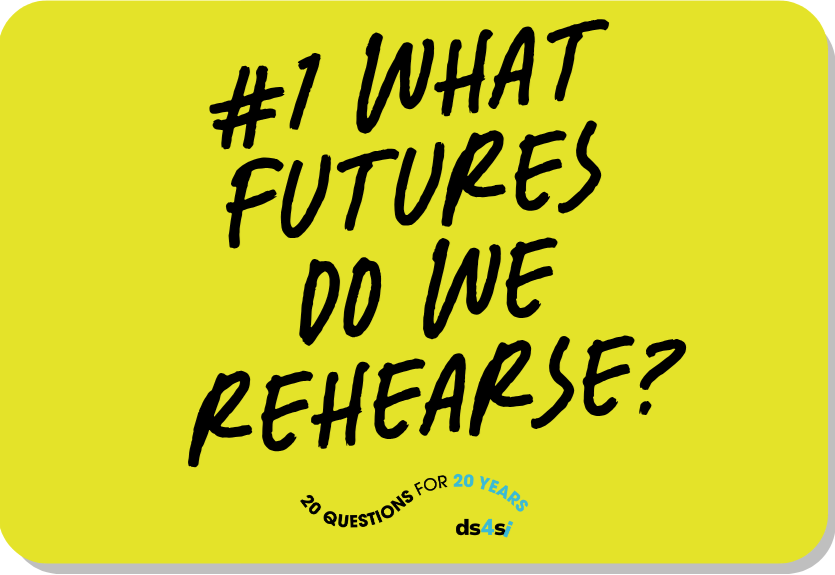
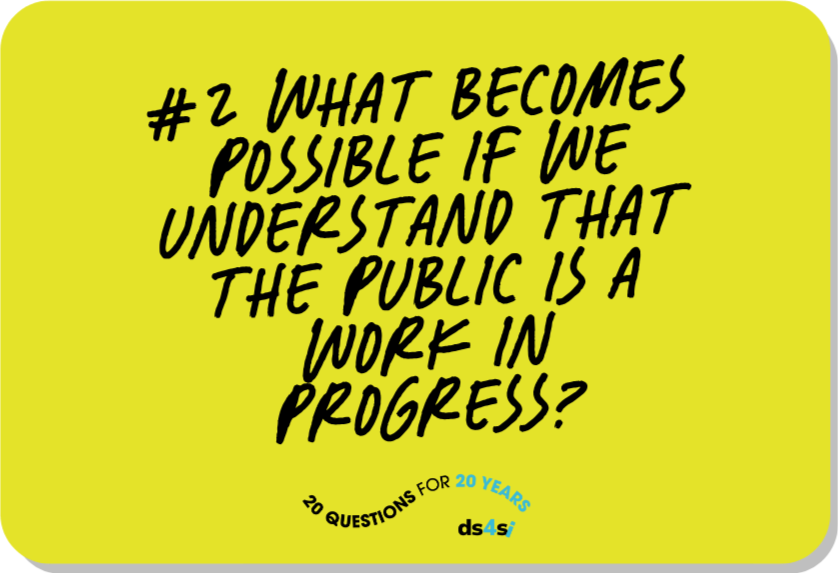
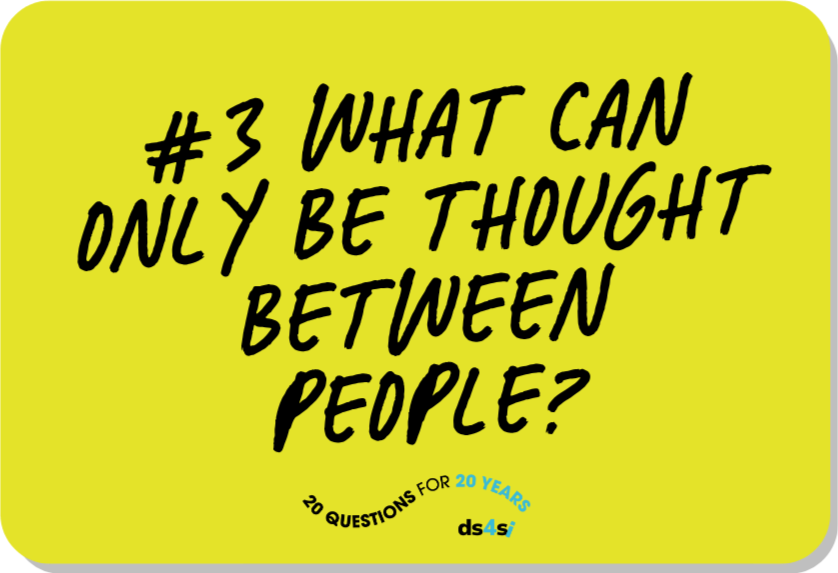
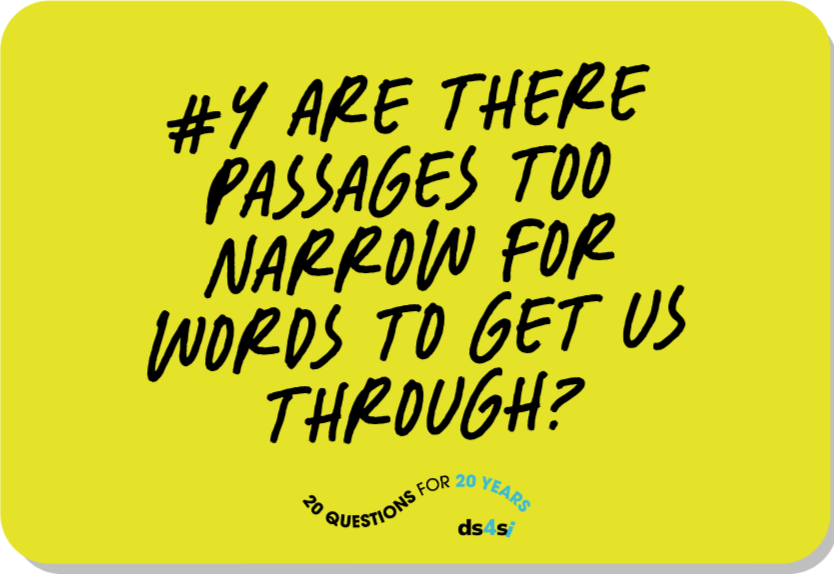
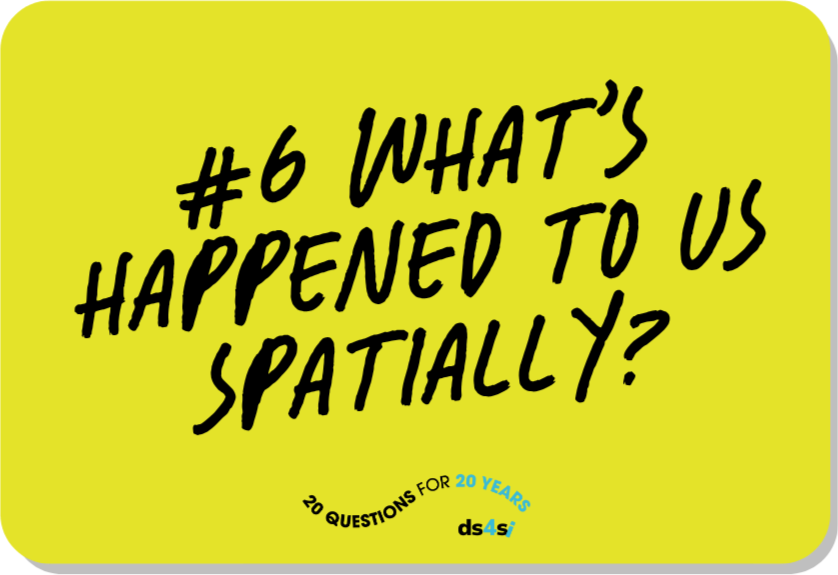
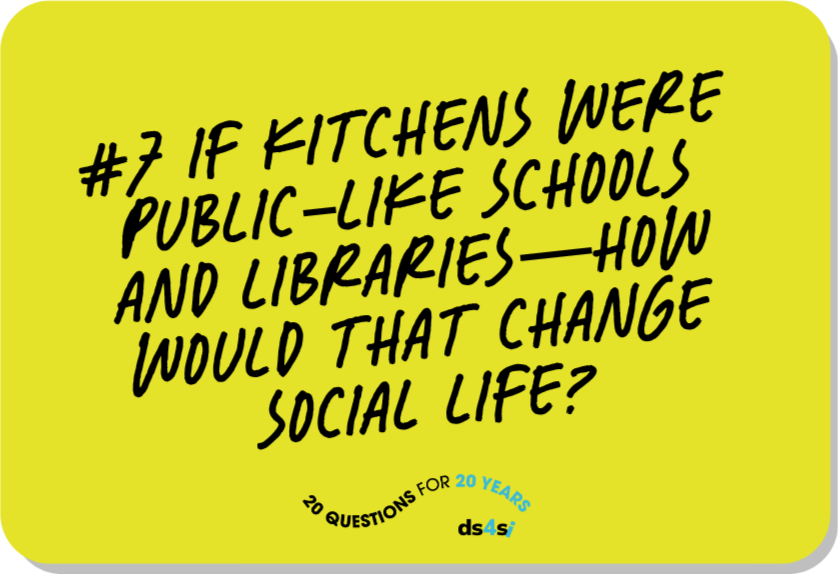
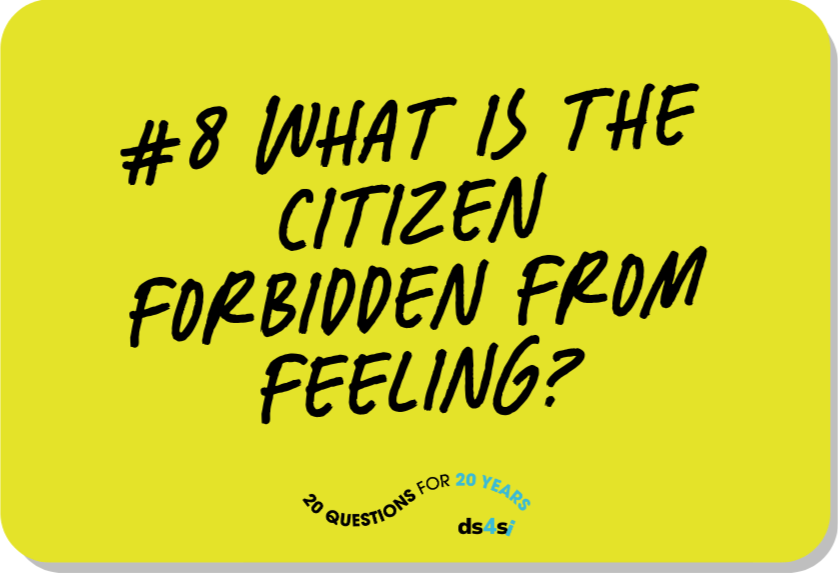
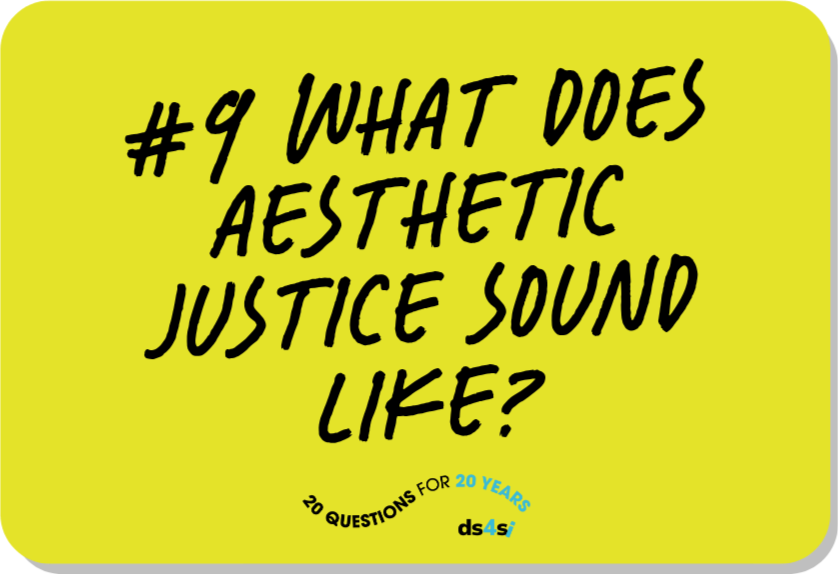
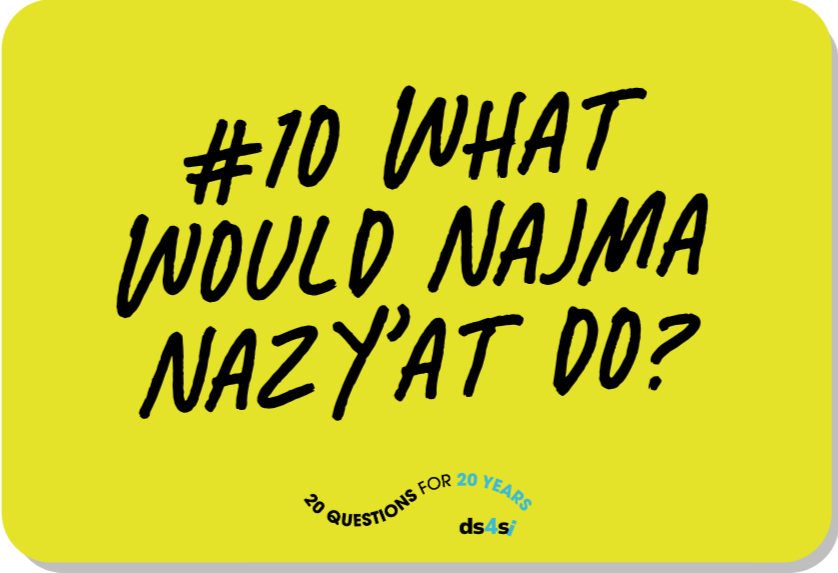
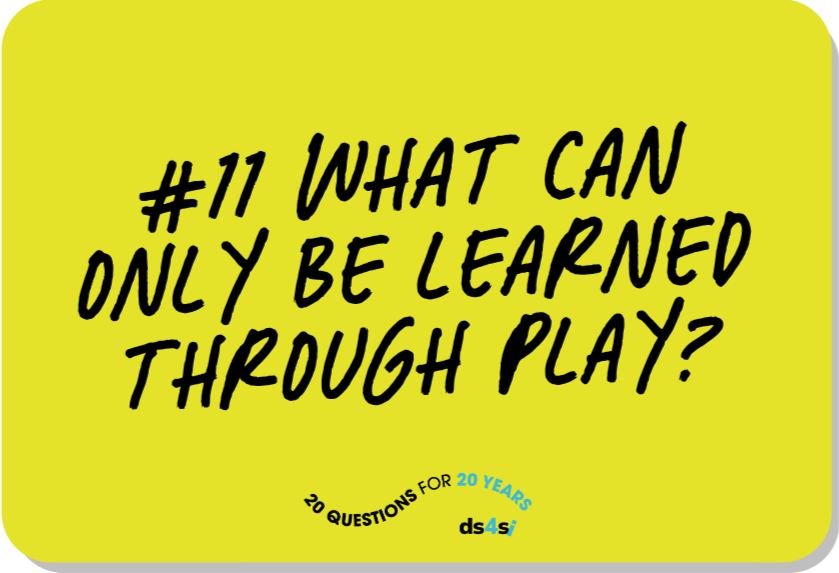
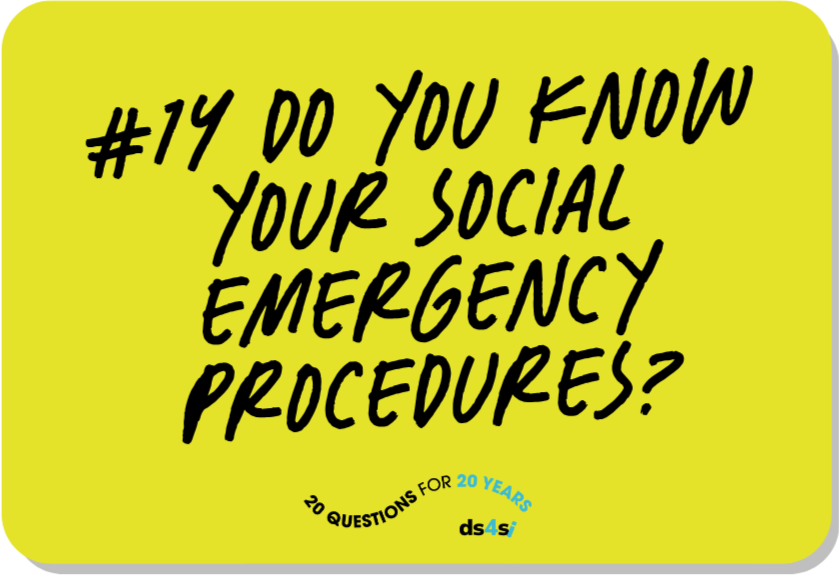
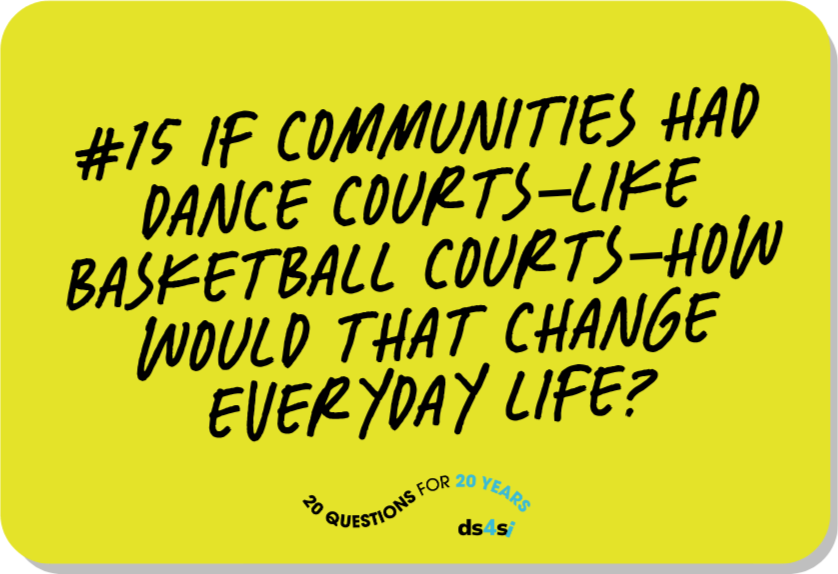
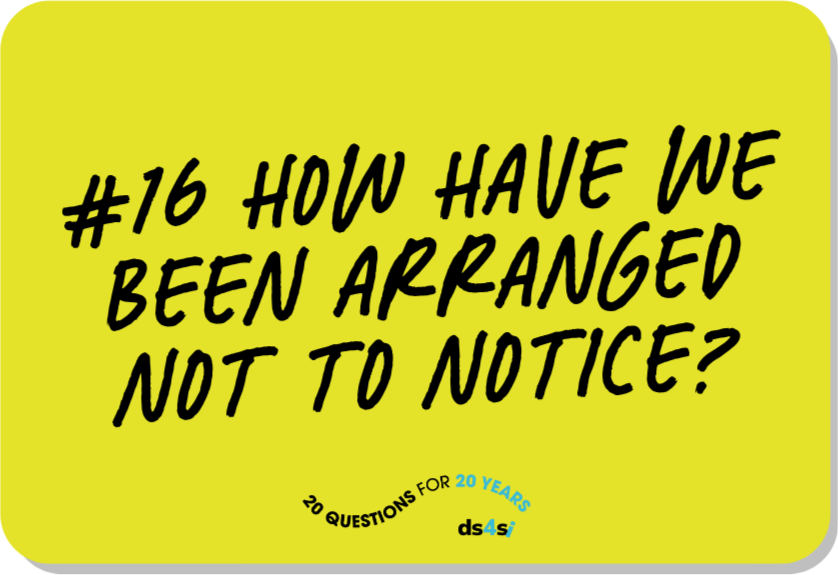
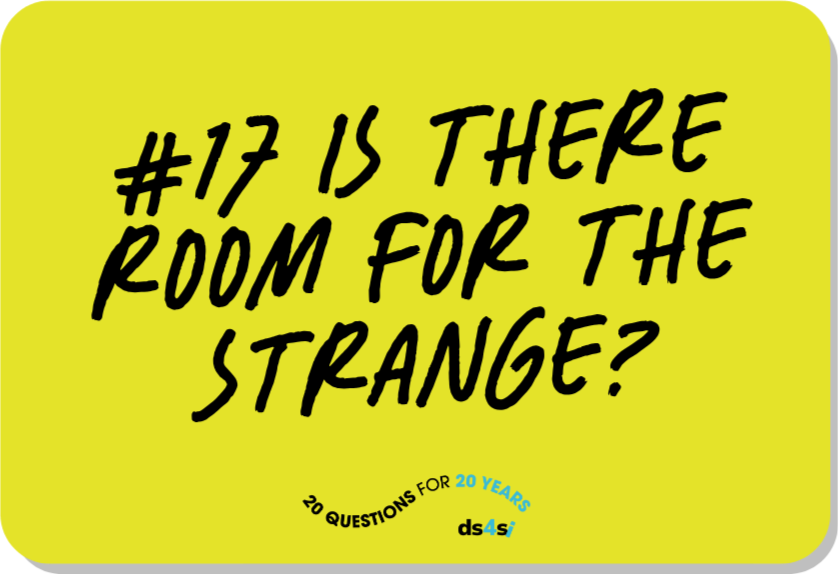
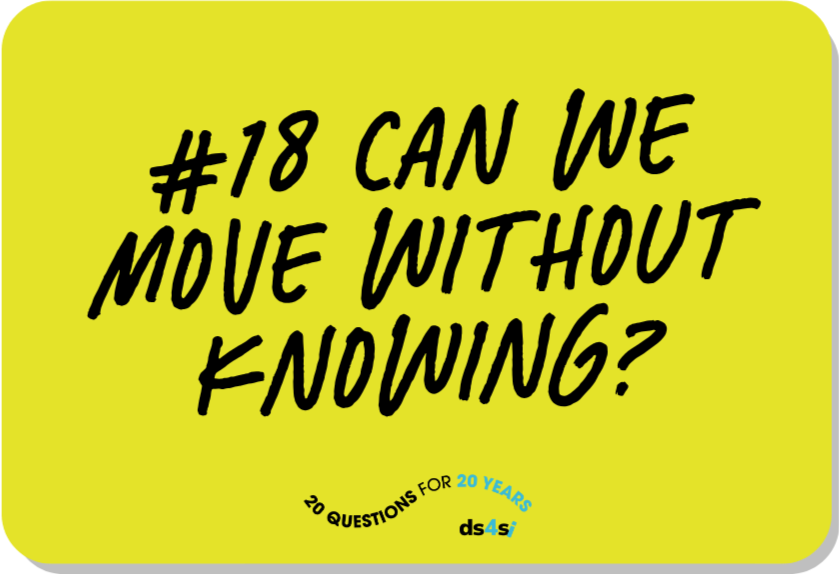
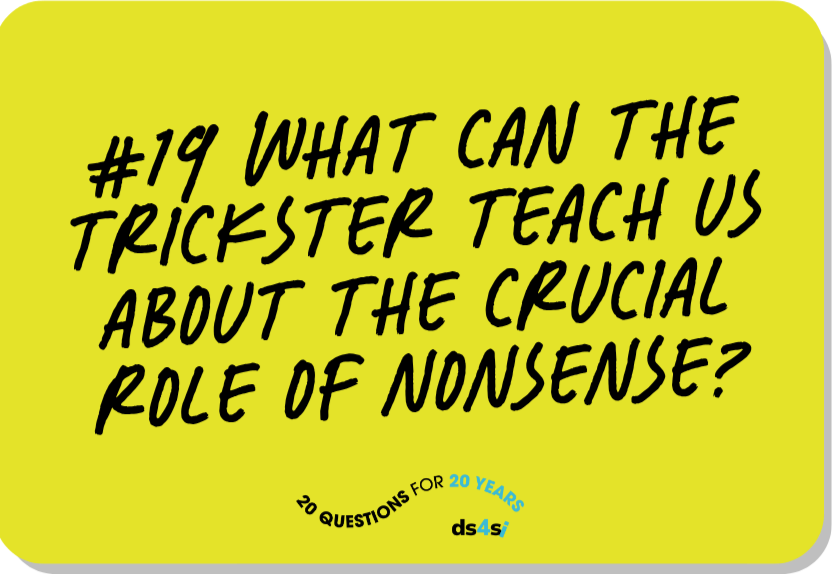
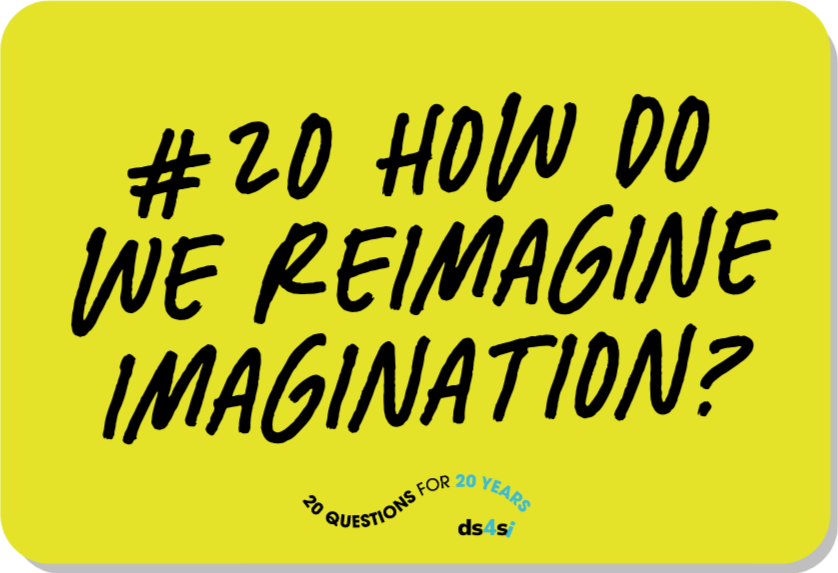
Questions help us challenge assumptions about everyday life and open portals into new imaginaries. Our 20 Questions series builds on this practice: each question acts as an intervention, a small provocation placed in public space or inside our work to spark curiosity.
Whether someone seeks them out or stumbles upon them, these questions invite reflection on how we are as a public, what we share, and what might be possible. Each question becomes an opening into the themes that have shaped DS4SI’s 20 years of practice.




BOSTON ART REVIEW
DS4SI on Twenty Years of Social Practice for Civic Engagement
Kenneth Bailey, Lori Lobenstine, and Judith Leeman discuss the studio’s early days on occasion of their 20 Questions for 20 Years program, a month-long anniversary celebration in Roxbury that invites the public to use imagination and creativity to strengthen community ties in Boston.
Interview by Kim Córdova
Curator Weekend Recaps
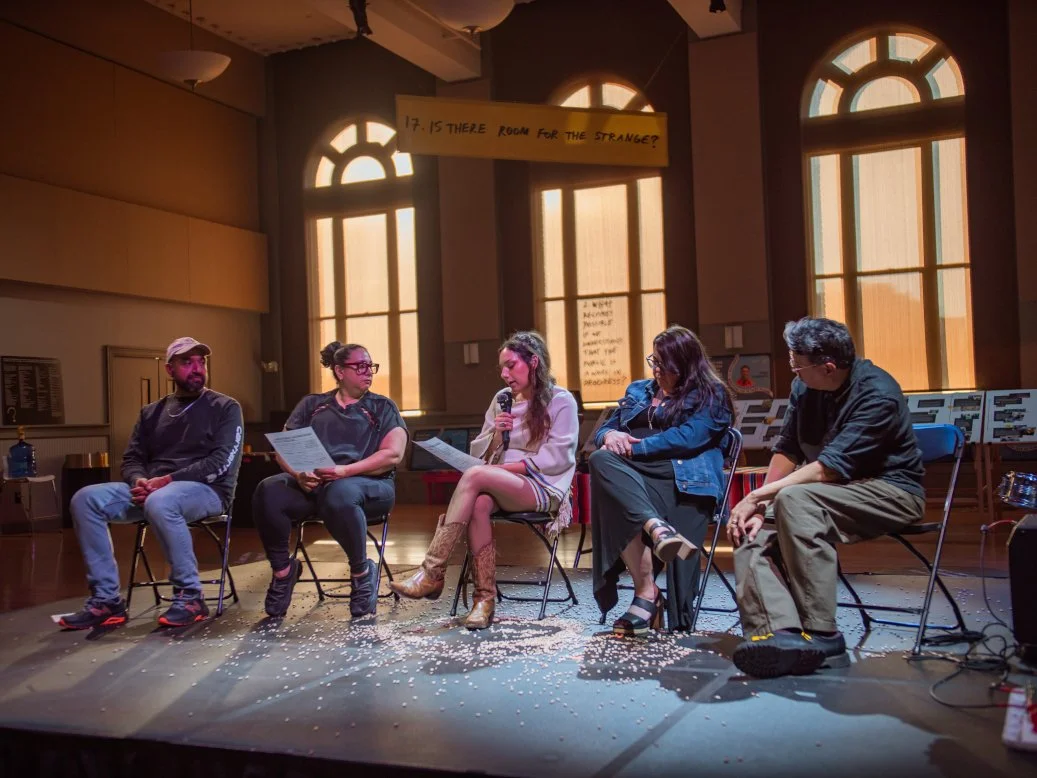
Sense and Nonsense: Practical Poetics

-
As a studio that set out to prototype and share creative approaches to social change, we were often met with critiques about practicality. That tension between what is seen as poetic and what is deemed useful became an epistemological and strategic puzzle we had to navigate. During this curated weekend, Anthony Romero invited us to look closely at the thought-architectures embedded within institutions, the ones that keep binary logics of poetic/practical and sense/nonsense firmly in place.
Throughout the weekend, guests were brought into a series of encounters, performances, and ruminations drawn from My Back To You: Sense and Nonsense with artists Kite (Suzanne Kite), Jami Powell, Risa Puleo, Josh Rios, and Anthony Romero. The inquiry deepened through a Witness talk by Josh Rios, and the weekend closed with a curatorial conversation between Risa Puleo and Anthony Romero: After/Party: A Curatorial Hangover.
Additional events throughout the weekend included a Witness talk with Chloë Bass, whose reflections on the studio’s work helped illuminate deeper patterns and connect the archive to broader social and cultural contexts. Guests also explored DS4SI’s Ideas, Arrangements, and Effects (IAE) in the Field with Asha Best, Marian Urquilla, and Ayako Maruyama, engaging in short presentations and shared inquiry to consider how IAE informs their own creative and civic practices.
Curated by Anthony Romero
Affect and Aesthetics of Space and Place
-
In DS4SI’s Aesthetic Justice Manifesto, we declared that we all have the “right to be moved” through aesthetic experiences. During Tiago Gualberto’s curated weekend, he brought his insights and shared questions about the enclosing of contemporary art within formal spaces, and how multiple approaches to aesthetics could be activated in public.
Over the course of the weekend, this inquiry unfolded. We opened with The Ethereal Lounge, a virtual room for our far-away community to gather, play, and study through the 20 Questions themselves. At The Hub, Tiago’s large-scale intervention, The Dream as Public Infrastructure, invited guests to consider dreaming as a social practice that linked Boston to the 750 students and teachers in São Paulo who had collectively imagined new futures through drawings, workshops, and shared dreamwork. Visitors then stepped into A Dream for Good Fortune, an installation where dreams were exchanged for keepsakes, questions were read like fortunes, and the bridges between distant places were made tactile through interactive works led by Crystal Bi.
Our inquiry deepened through a Witness talk with Garnette Cadogan and Sara Hendren, who reflected on our questions: “3. What can only be thought between people?”, “6. What’s happened to us spatially?”, and “13. What’s hiding in public?”. We carried this into a conversation with DS4SI’s co-founders Kenneth Bailey, Lori Lobenstine, and youth organizing directors Collique Williams, Amatullah Sip, and Khalida Smalls for “What Would Najma Nazy’at Do? Youth Organizing in This Moment”, honoring Najma’s legacy and the youth organizing practices she helped shape. A curatorial conversation with Tiago Gualberto, Vivian Braga dos Santos, and Renato Araujo da Silva explored dreaming as a methodology for social intervention and artistic production. The weekend closed with a Witness talk by Lisa Jarrett, whose question-driven practice helped shape the earliest formation of our 20 Questions. Guests engaged with her central question, “What will set you free?” and reflected on what emerged from her perspective on our work and archive.
Curated by Tiago Gualberto

Rehearsing and Performing the Everyday
-
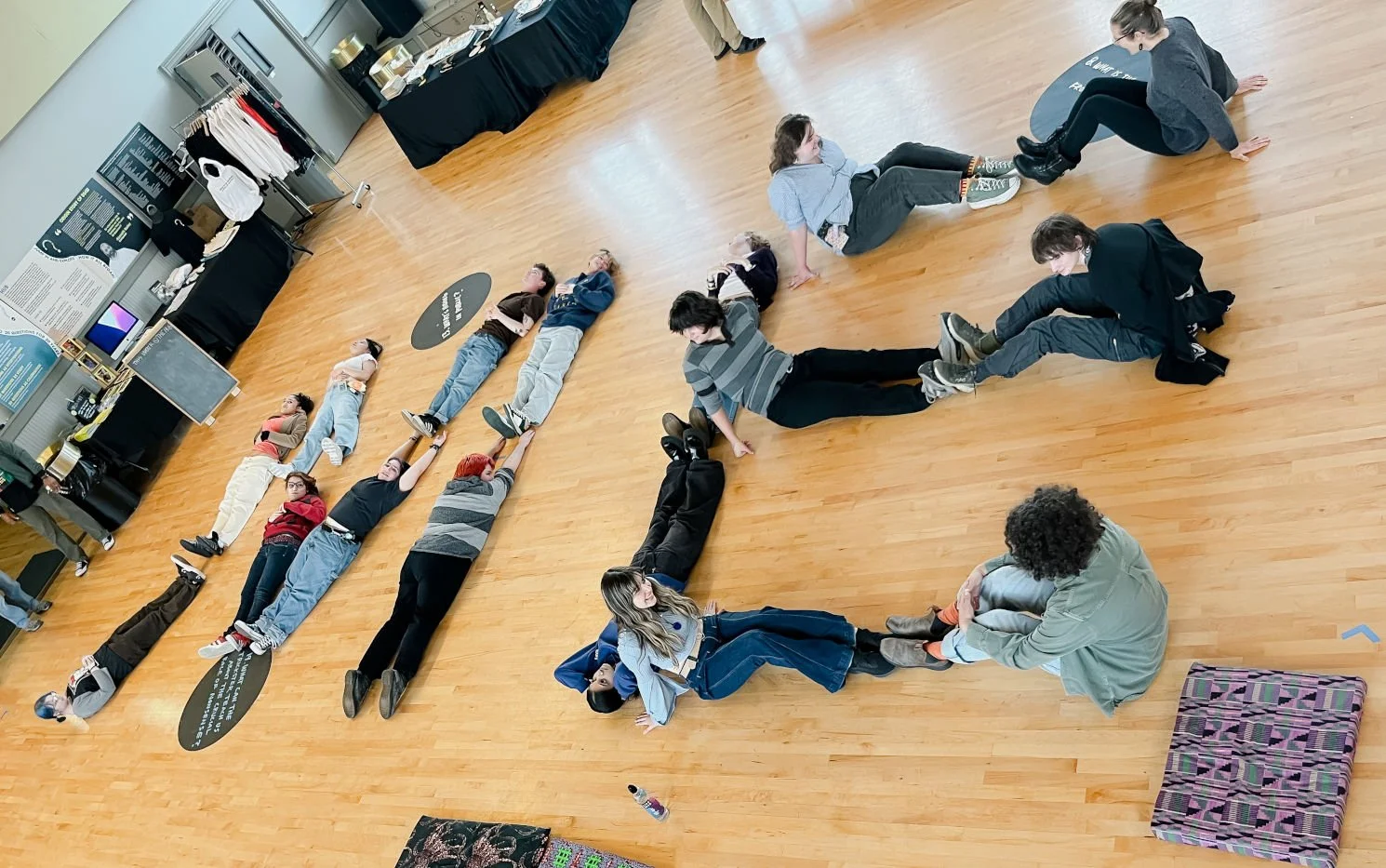
The weekend curated by Grisha Coleman unfolded around the theme Rehearsing and Performing the Everyday. Much of DS4SI’s work interrogates the everyday as a political project and explores how collective agency can reimagine it; over this weekend, Grisha Coleman brought her artistic and political vision to this inquiry, highlighting why a critique and reimagining of the everyday is necessary. Across social choreography, somatic study, and conversation, guests engaged with experiences that asked them to move, reflect, and participate in the collective rehearsal of otherwise.
The weekend featured Rehearsal for Everyday Life, a live choreographed performance in which seven lead dancers—Aiden Marshall, Ella WM, Oliver Burns, Marcel Santiago, Ronnie Thomas, Miranda Lawson, and Scynthia Charles—taught participants short vernacular dance pieces, spanning African, Soca, Western modern, breaking, crumping, ballet, and stepping. Performers and guests rehearsed and then performed these pieces collectively, exploring the histories, politics, and possibilities embedded in movement. On the closing day, Grisha Coleman led a Mass Somatic Event, an Awareness Through Movement lesson based on the Feldenkrais Method® with violin and sound bowl accompaniment by Shaw Pong Liu, inviting participants to consider how bodily awareness can foster growth, healing, and collective imagination. Then, Grisha Coleman reflected on the creative process behind both interventions during a curatorial conversation, highlighting how they illuminate the politics of everyday life.Additional events throughout the weekend included Friday Night Life: Sing-o-Gram, where guests danced to house music with DJs Keith Donaldson and Kenneth Bailey and experienced Pedro Reyes’ singing telegram intervention, featuring local performers and a special appearance by Black Cotton Club. The weekend also included a conversation with co-founders Kenneth Bailey and Lori Lobenstine and guests, reflecting on the theme of re-imagining everyday life. A Witness talk with studio friend Thomas DeFrantz, “Can We Move Without Knowing?”, offered a reflective closing moment, guiding guests through the question with attention to movement, knowledge, and presence.
Curated by Grisha Coleman

Intervening in the Moment
-
Alongside Grisha Coleman’s curation, Nato Thompson led the weekend Intervening in the Moment, guiding participants through the theme of social practice and intervention. Much of DS4SI’s work has focused on sharpening how social interventionists can design their practice to better advance social change; over this weekend, Thompson guided seasoned practitioners and guests in asking, “How might social practice continue to sharpen its practice towards social change?” Across artist debriefs, conversations, and panels, participants explored the processes, histories, and possibilities of inventive public action.The weekend featured Artist Intervention Debriefs with Nato Thompson, offering a behind-the-scenes look at three artist projects created for the 20th anniversary celebration by Amy Franceschini, Pedro Reyes, and Mariángeles Soto-Díaz. Each artist introduced their intervention, engaged social-making artists Francesca Santiago and Tanya Nixon-Silberg, and co-founder Kenneth Bailey, in conversation about the making process, and opened the floor to audience questions. Together, these debriefs offered insight into how playful, participatory, and collective practices take shape and how they resonate with DS4SI’s history of inventive public action. A curatorial conversation, “Interventionism—Past, Present, and Future,” brought together artists Tania Bruguera, Krzysztof Wodiczko, DS4SI’s Kenneth Bailey, and Crystal Bi to reflect on two decades of experimentation, disruption, and civic imagination, tracing the evolution of interventionist practice and its relevance to contemporary public life.
Additional events throughout the weekend included Friday Night Life: Sing-o-Gram, where guests danced to house music with DJs Keith Donaldson and Kenneth Bailey and experienced Pedro Reyes’ singing telegram intervention, featuring local performers and a special appearance by Black Cotton Club. The weekend also included a conversation with co-founders Kenneth Bailey and Lori Lobenstine and guests, reflecting on the theme of re-imagining everyday life. A Witness talk with studio friend Thomas DeFrantz, “Can We Move Without Knowing?”, offered a reflective closing moment, guiding guests through the question with attention to movement, knowledge, and presence
Curated by Nato Thompson
THE HUB


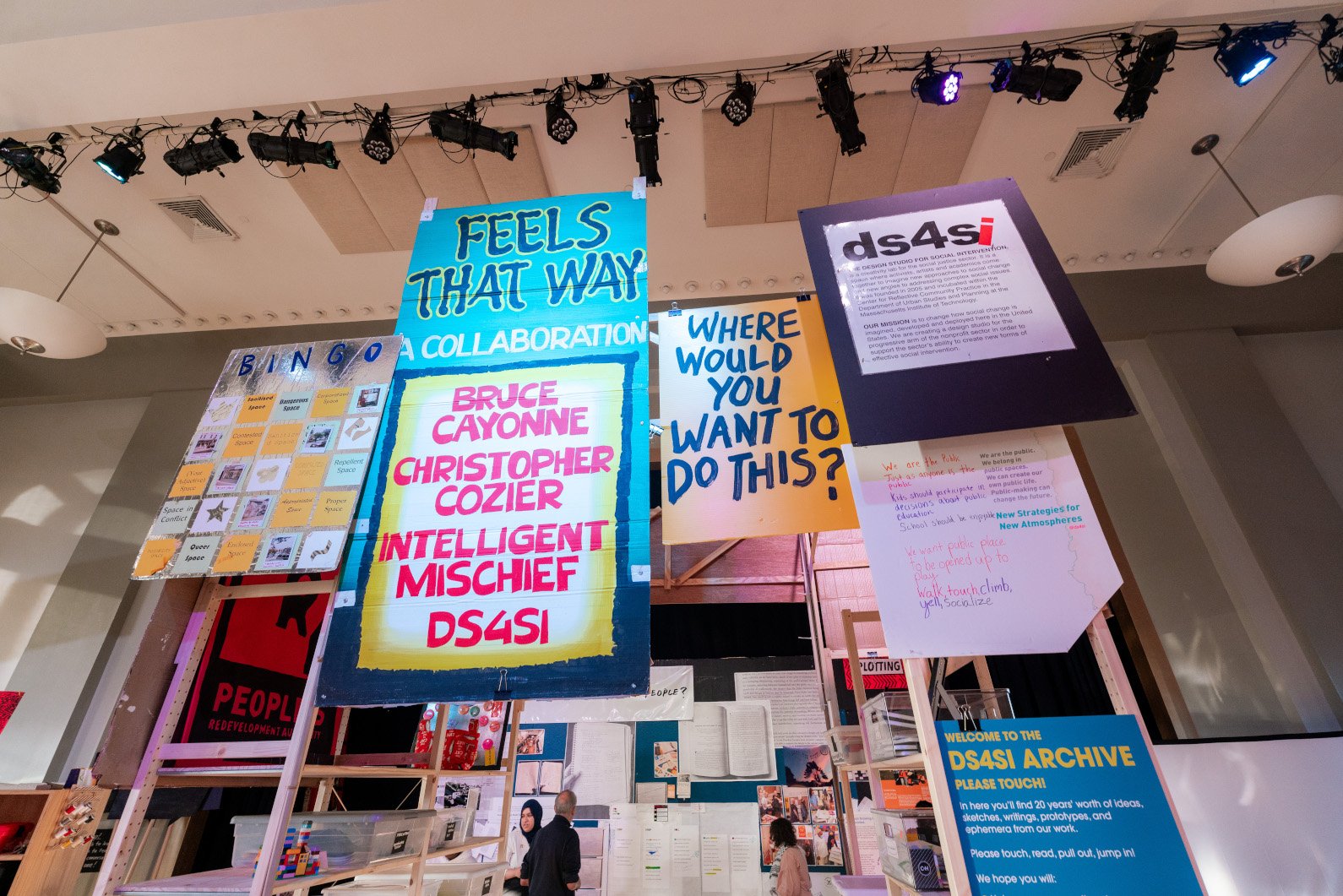
The Hub was, in many ways, a pop-up version of DS4SI designed to welcome old and new friends of the Studio as we celebrated our 20th anniversary. Curated by Ayako Maruyama and Judith Leemann, it was a creative space where participants had a hands-on chance to learn about the Design Studio’s work from the past 20 years through the lens of 20 Questions, inviting new ways of thinking together.
-
Visitors witnessed DS4SI’s work across the past 20 years through exploring the Timeline, the Archive, and other interactive installations, and learned about DS4SI’s methodology and tools for designing powerful social interventions.
They experienced curatorial talks, conversations, performances, and workshops. They studied with us as we reflected back and thought forward. Just like at our Design Gym, participants brought their own ideas to work out and stretch the muscles of our collective imagination. They met one another—the community of artists, activists, and academics—whether long-time collaborators or part of the growing merry band of misfits.
The Hub was an energetic and reflective space that held room for inquiry and witness alongside the curated programming led by our invited curators, co-conspirators, and the four themes they activated: Sense and Nonsense led by Anthony Romero, Affect and Aesthetics of Space and Place led by Tiago Gualberto, Intervening in the Moment led by Nato Thompson, and Rehearsing and Performing the Everyday led by Grisha Coleman. DS4SI Thought Ecology Lead, Judith Leemann, served as the Witness Curator, tending to our shared thinking.
The Hub’s curation, design, and fabrication were led by the Hub Design Team, including Hub Curator Ayako Maruyama, DS4SI Prototype Lead Maria Gerdyman, and Hub Design Consultant Senjuti Sangia.

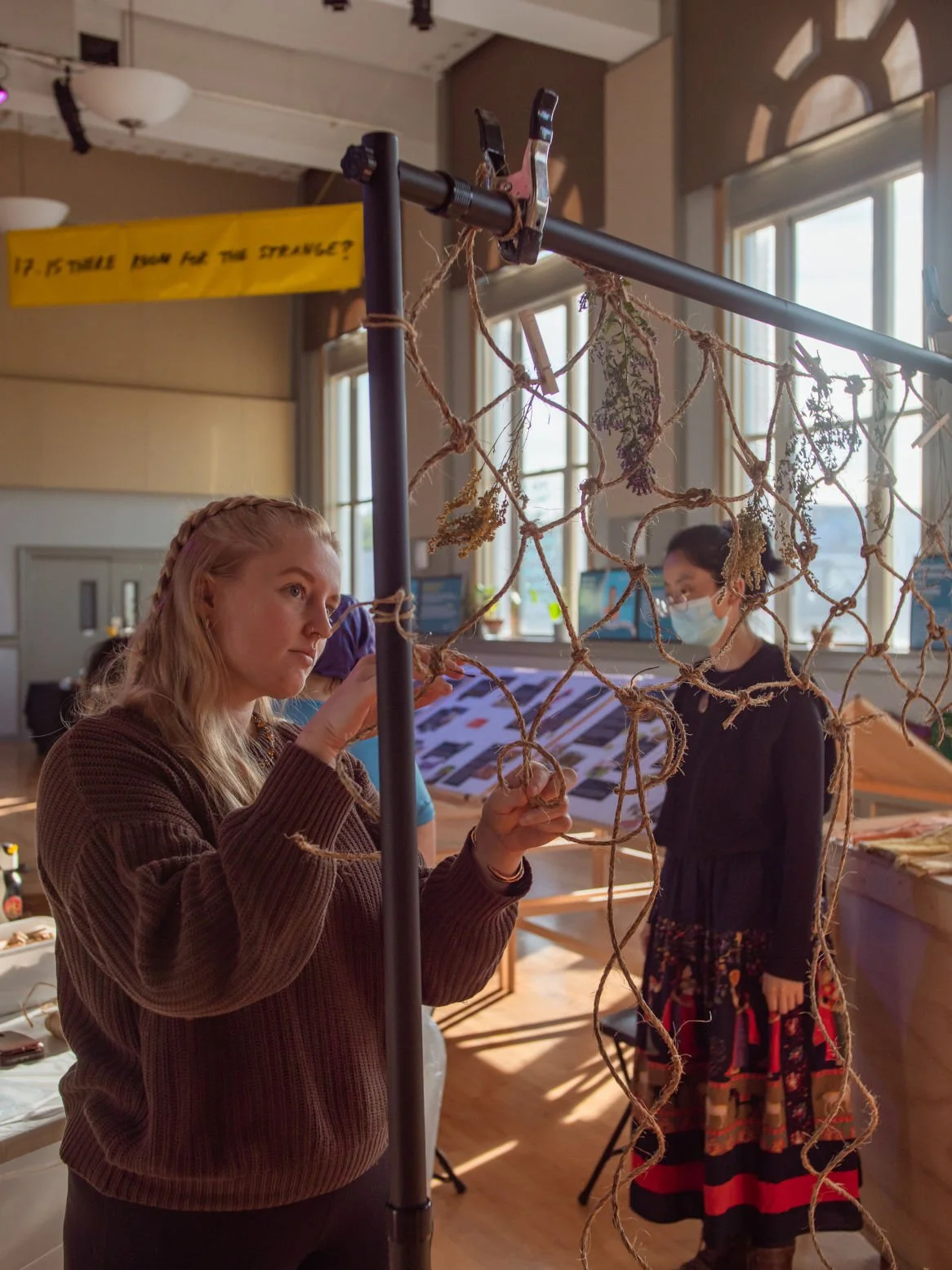
Stitching Dreams, Building Worlds: Mending and Repair as a Collaborative World Building Practice: Materializing Tiago Gualberto’s The Dream as a Public Infrastructure Facilitated by Tanya Nixon-Silberg and Crystal Bi
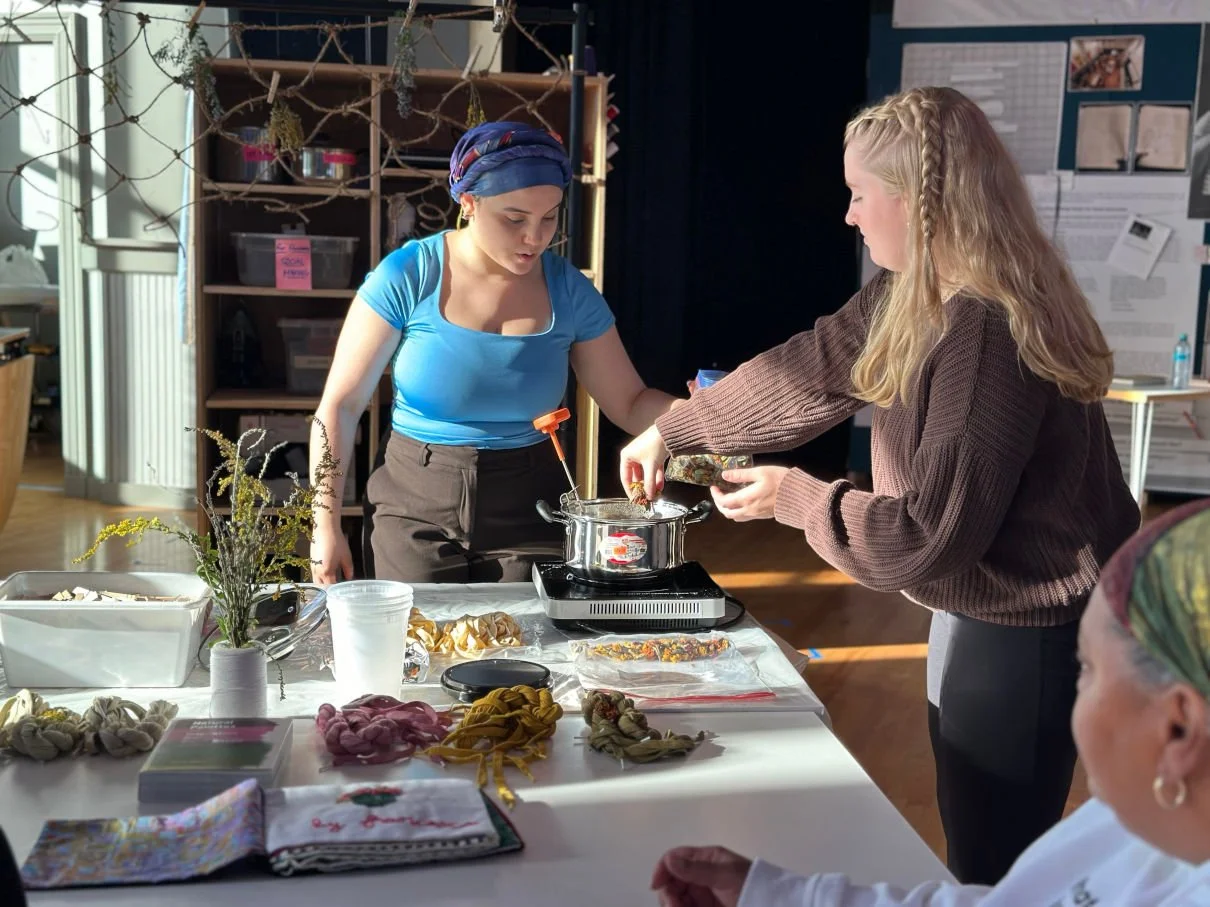
Everyday Materials, Everyday Exchanges: Natural Hand-Dyeing & Binding Community: Materializing Amy Franceschini/ Futurefarmers’ Shoelace Exchange Facilitated by Francesca Santiago
From Hard Lines to Soft Fabrics: Connection, Collectivity, and Belonging: Materializing Mariángeles Soto-Díaz’s ME/WE Facilitated by Tanya Nixon-Silberg
20Q Social Making
Social Making Thursdays was a Design Gym prototype, curated by Anulfo Baez, that invited participants to create together as a way of practicing new ways of being. It asked: How can crafting together change the vibe of how we show up? What can collaboration and cross-pollination teach us about ourselves and each other?
Social Making Thursdays wasn’t just about learning a new craft for yourself; it was about rehearsing ways of being in relationship—with the materials we worked with and with one another—exploring how creation could shape connection.”
